


Blogs
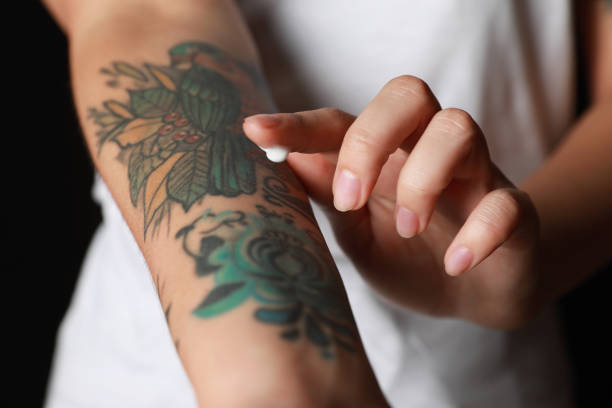
Tattoo Aftercare Tips From Fort Worth's Top Artists: How to Protect Your New Ink
You just got a brand new tattoo. The linework is crisp, the colors are vivid, and you're already obsessed with it. Now comes the part that most people underestimate: tattoo aftercare.
Here's the truth — a tattoo is only as good as how well it heals. The best artist in Fort Worth can put stunning work on your skin, but if you don't take care of it properly during the healing process, you risk faded color, patchy lines, scarring, and a result that doesn't come close to what it looked like fresh off the needle.
The artists at Ink n Beauty Studio in Fort Worth have seen it all — beautifully healed tattoos and avoidable aftercare disasters. This guide covers everything you need to know to protect your investment, heal cleanly, and keep your tattoo looking sharp for years to come.
Why Tattoo Aftercare Matters More Than Most People Realize
When you get a tattoo, your skin is essentially an open wound. The tattoo needle punctures the skin thousands of times per minute, depositing ink into the dermis. Your body's immediate response is to begin the healing process — which means inflammation, fluid production, and eventually, skin regeneration over the tattooed area.
During this healing window, your tattoo is vulnerable. It can be damaged by bacteria, sun exposure, friction, moisture, and a dozen other factors that most people don't think twice about in their daily routine. Proper tattoo aftercare is what protects the ink during this critical period and ensures the color, lines, and shading look as close to the artist's original work as possible once fully healed.
Skipping steps or cutting corners during aftercare doesn't just slow the healing process — it can permanently affect the quality of your tattoo. This is not an area to be casual about.
The Tattoo Healing Timeline: What to Expect
Before diving into aftercare instructions, it helps to understand what your skin is actually going through during the healing process. Tattoo healing happens in stages — and knowing what to expect at each stage prevents panic and poor decisions.
Stage 1: Days 1–3 — The Inflammatory Phase
Immediately after your tattoo session, the skin is red, swollen, and tender. There may be some oozing of ink, plasma, and blood — this is completely normal. Your body is responding to the trauma of the tattooing process and beginning the repair work.
During this stage, keeping the tattoo clean and protected is the absolute priority.
Stage 2: Days 3–14 — The Peeling Phase
As the outer layer of skin begins to heal, you'll notice peeling and flaking — similar to a sunburn. The tattoo may appear dull or cloudy during this phase. This is normal and temporary. Underneath the peeling skin, new skin is regenerating over the ink.
The most important rule during this stage: do not pick, scratch, or peel the flaking skin. Pulling off skin that isn't ready to shed can pull ink out with it, leaving patchy, uneven results.
Stage 3: Days 14–30 — The Settling Phase
By the end of the second week, the surface of the skin should be mostly healed. However, the deeper layers of skin are still regenerating. Your tattoo may still look slightly cloudy or muted — don't worry. The ink needs time to fully settle and the skin needs time to become fully transparent over the tattooed area.
Most tattoos look their best at around 4 to 6 weeks after the session, once the skin has fully regenerated and the ink has fully settled.
Stage 4: Month 2 and Beyond — Long-Term Healing
The deeper layers of the skin continue healing for up to several months after a tattoo. This is why long-term care — particularly sun protection — is so important even after the surface appears fully healed.
Tattoo Aftercare: The Complete Step-by-Step Guide
The First 24 Hours
Leave the initial bandage on.Your artist will cover your fresh tattoo with a bandage, wrap, or second-skin film at the end of your session. Leave this covering in place for the amount of time your artist recommends — typically between 2 and 24 hours depending on the type of covering used.
Remove the covering carefully.When it's time to remove the bandage, do it gently under lukewarm water if needed to prevent sticking. Never rip a bandage off a fresh tattoo.
Wash the tattoo immediately after removing the bandage.Use clean hands — never a washcloth or sponge — and a fragrance-free, antibacterial soap to gently wash the tattoo. Remove any blood, plasma, or excess ink from the surface. Use lukewarm water — never hot.
Pat dry with a clean paper towel.Do not rub the tattoo dry. Gently pat the area with a clean paper towel and allow it to air dry for a few minutes before applying anything to it.
Apply a thin layer of aftercare ointment.Your Ink n Beauty artist will recommend a specific aftercare product. Apply a thin layer — emphasis on thin. Too much product suffocates the skin and can trap bacteria. A light, barely-there layer is all you need.
Days 2–7: The Critical Window
The first week is the most critical period for tattoo aftercare. Here's your daily routine:
Wash 2–3 times daily.Continue washing your tattoo gently with fragrance-free antibacterial soap 2 to 3 times per day. Morning, midday if needed, and before bed is a good routine. Always use clean hands.
Moisturize after washing.After each wash and dry, apply a thin layer of your recommended aftercare ointment or an unscented, alcohol-free lotion. Keeping the skin moisturized prevents excessive scabbing and supports healthy healing.
Keep it dry between washes.Outside of your intentional washing routine, keep your tattoo as dry as possible. Avoid soaking, sweating heavily on the area, or letting it stay wet for extended periods.
Wear loose, breathable clothing over the tattoo.Tight clothing rubbing against a fresh tattoo causes friction that can damage the healing skin and disrupt the ink. Wear loose, soft clothing — ideally cotton — over the tattooed area during the first week.
No direct sun exposure.Keep your fresh tattoo completely out of direct sunlight during the first 2 weeks. UV exposure on a healing tattoo can cause significant fading and damage to the healing skin. If you must be outdoors, keep the tattoo covered with loose clothing.
No swimming.Pools, hot tubs, lakes, rivers, and the ocean are all off-limits during the healing period. Chlorine, bacteria, and saltwater are all enemies of a healing tattoo. Even brief dips can introduce bacteria into the healing skin or cause the ink to leach out prematurely.
No scratching.We cannot stress this enough — do not scratch your healing tattoo. As the skin heals and regenerates, it will itch. This is a sign that healing is happening. Scratching can pull ink out of the skin and cause scarring. If the itch is unbearable, gently pat the area — never scratch.
Days 7–14: The Peeling Phase
By the end of the first week, your tattoo will likely start to peel and flake. This stage can be alarming for first-time tattoo clients — the tattoo may look dull, patchy, or faded during this phase. This is completely normal.
Let the skin peel naturally.The flaking skin will shed on its own timeline. Do not pull, pick, or peel it manually. The skin underneath is not fully healed yet — removing it prematurely can pull ink out with it.
Continue your washing and moisturizing routine.Keep up with gentle washing and light moisturizing throughout the peeling phase.
Continue avoiding sun and water.The skin is still healing under the surface even if the surface looks mostly done. Maintain your sun and water avoidance through the full two-week mark at minimum.
Weeks 3–4: The Settling Phase
By weeks three and four, your tattoo should be mostly healed on the surface. The skin may still look slightly cloudy or milky over the tattooed area — this is the new skin still becoming fully transparent over the ink. Give it time.
Transition to a daily unscented lotion.By this point, you can transition from aftercare ointment to a gentle, unscented daily moisturizer to keep the skin hydrated as it continues healing.
Begin applying SPF.Once the surface skin is fully healed — typically around the 2-week mark — you can begin applying a broad-spectrum SPF 30 or higher over the tattoo whenever you're outdoors. This is one of the most important long-term habits you can build.
Long-Term Tattoo Care: Keeping Your Ink Sharp for Years
The healing process is just the beginning of caring for your tattoo. Long-term tattoo care is what determines whether your piece still looks sharp and vibrant five, ten, or twenty years down the road.
Sun Protection Is Everything
UV radiation is the number one cause of tattoo fading over time. The sun breaks down the ink pigments in your skin — causing colors to fade, lines to blur, and the overall crispness of the piece to deteriorate much faster than it should.
Apply SPF 30 or higher over your healed tattoos every single day when your skin will be exposed to the sun. This single habit makes the biggest difference in the long-term appearance of your tattoos. Use a broad-spectrum sunscreen and reapply throughout the day if you're spending extended time outdoors.
Moisturize Consistently
Well-hydrated skin keeps your tattoo looking its best. Dry, flaky skin makes tattoos look dull and faded even when the ink itself is in good condition. Make daily moisturizing a habit — your skin and your tattoos will thank you.
Stay Hydrated
Skin health starts from within. Drinking enough water keeps your skin plump, elastic, and healthy — all of which contributes to how vivid and sharp your tattoos look over time.
Avoid Prolonged Soaking
Long soaks in pools, hot tubs, and baths accelerate tattoo fading over time — not just during the healing phase. Chlorine in particular is harsh on tattooed skin. This doesn't mean you can never swim, but minimizing prolonged exposure to chlorinated water will help your tattoos stay vibrant longer.
Maintain a Healthy Weight
Significant weight fluctuations — in either direction — can stretch or shrink the skin, distorting the appearance of tattoos. This is most noticeable in tattoos placed on areas prone to weight-related changes like the stomach, thighs, and upper arms.
Signs of a Healing Tattoo vs. Signs of Infection
Knowing the difference between normal healing and a potential infection is important for every tattoo client.
Normal healing looks like:
- Redness and swelling in the first 1–3 days
- Tenderness and warmth around the tattoo
- Light oozing of ink, plasma, or blood in the first 24–48 hours
- Peeling and flaking skin in days 5–14
- Itching as the skin heals
- Dullness or cloudiness during the peeling phase
Signs that may indicate a problem:
- Excessive swelling that gets worse after day 3 rather than improving
- Extreme redness that spreads significantly beyond the tattooed area
- Thick, yellow, or green discharge
- A foul odor coming from the tattoo
- Fever or chills
- Hot, painful lumps forming around the tattoo
If you notice any of the above signs, contact a healthcare professional promptly. Infections in tattoos are uncommon when proper aftercare is followed, but they can occur — and early treatment is always best.
Products to Use — and Products to Avoid
Recommended:
- Fragrance-free, antibacterial soap (such as Dial Gold or Dr. Bronner's unscented)
- Thin, unscented aftercare ointment (such as Aquaphor or specialized tattoo aftercare balms)
- Unscented, alcohol-free moisturizing lotion (such as Lubriderm or CeraVe unscented)
- Broad-spectrum SPF 30+ sunscreen for healed tattoos
Avoid:
- Scented soaps, body washes, and lotions — fragrance irritates healing skin
- Petroleum jelly in thick layers — it suffocates the skin
- Alcohol-based products — they dry out healing skin and can damage the ink
- Exfoliating scrubs or loofahs anywhere near the healing tattoo
- Tanning beds and prolonged sun exposure
Frequently Asked Questions About Tattoo Aftercare in Fort Worth
How long does a tattoo take to fully heal?The surface of the skin typically heals within 2 to 3 weeks. However, the deeper layers of the skin continue healing for up to 3 to 6 months after the tattoo session. Full, deep healing takes time — be patient and continue caring for your skin throughout this period.
Can I work out after getting a tattoo?Avoid heavy exercise for at least the first 48 to 72 hours. Sweating on a fresh tattoo introduces bacteria and moisture to the healing skin, which can affect the healing process and pigment retention. When you do return to exercise, cover the tattoo with loose clothing and wash it gently immediately after your workout.
What if my tattoo looks faded after healing?Some fading during the healing process is completely normal. The skin goes through multiple stages of regeneration — and during the peeling phase, the tattoo can look significantly duller than it did fresh. Wait until 4 to 6 weeks post-appointment to evaluate your healed results. If you're concerned about specific areas, reach out to your Ink n Beauty artist — a touch-up can address any spots where ink didn't retain as well as expected.
Can I use coconut oil on my healing tattoo?Coconut oil is a popular natural moisturizer, but it's not ideal for fresh tattoos. It can be too occlusive for some skin types and may cause breakouts or irritation on healing skin. Stick to the products recommended by your artist during the initial healing phase.
When can I go back in the sun after a tattoo?Keep fresh tattoos completely out of direct sun for at least 2 weeks. After the surface is fully healed, always apply SPF 30 or higher before sun exposure. Never put sunscreen on a tattoo that is still actively healing — wait until the skin is fully closed and healed.
How do I know when my tattoo is fully healed?Your tattoo is fully surface-healed when there is no more peeling, flaking, or shininess to the skin, the tattoo no longer feels raised or tender, and the skin looks and feels normal to the touch. Deep healing continues beneath the surface for several more months.

Your Tattoo Is Worth Taking Care Of
You invested in a custom piece of art from one of Fort Worth's best tattoo artists. Don't let poor aftercare be the reason it doesn't look the way it should.
Tattoo aftercare isn't complicated — but it does require consistency and attention, especially during that critical first two weeks. Follow the steps in this guide, listen to your artist's specific instructions, and give your skin the time and care it needs to heal properly.
At Ink n Beauty Studio in Fort Worth, every client receives personalized aftercare guidance before they leave the studio. We're invested in your results — not just on the day of your appointment, but through the entire healing process and beyond.

.png)


